How to Tell a Useful Gadget From a Gimmick
There is one reliable test for any kitchen gadget: does it improve a task you do at least weekly, or does it solve a problem you have twice a year? A Microplane zester passes — citrus zest, Parmesan, garlic, and ginger come up in everyday cooking constantly. A strawberry huller fails — a paring knife does the same job in the same time, and the huller spends 360 days a year in a drawer.
The second test is whether the gadget replaces skill or supports it. Tools that support skill (sharp peelers, accurate scales, good tongs) keep earning their place as you get better at cooking. Tools that replace skill (avocado slicers, egg separators, banana cutters) become useless the moment you learn the 10-second knife technique they imitate.
Finally, count the parts. Every additional component — pusher, lid, blade insert, cleaning brush — is a thing to wash, store, and lose. The best gadgets in this list are one-piece or two-piece tools that go straight into the dishwasher. As a rule: if a gadget needs its own storage box, it needs to deliver appliance-level value.
The Core Toolkit: What Actually Covers Daily Cooking
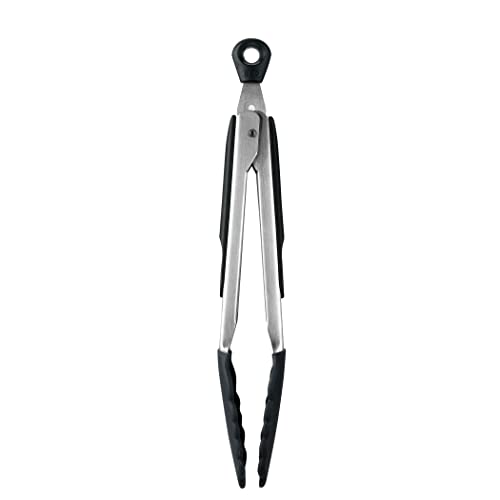
If you cook most days, eight tool types cover nearly everything between the knife and the stove: a Y-peeler, a Microplane-style rasp grater, locking stainless tongs, a fish/flexible turner, a fine-mesh strainer, a silicone spatula, a bench scraper, and a garlic press (if you cook with garlic more than twice a week — otherwise the rasp grater covers it).
The ranking above reflects this hierarchy. The OXO Y-peeler and the Microplane zester top the list not because they are exciting, but because they are the two tools most home cooks use every single day and most often regret buying cheap. A $5 peeler that tears skins and a dull zester that mashes garlic both make prep slower and worse — the $10–$15 versions of each are the highest-ROI purchases in the entire kitchen.
From there, the list moves through grip-and-flip tools (tongs, turners) and finishing tools (strainers, spatulas, scrapers). None of them cost more than a takeout dinner; together they cover the prep, cooking, and cleanup of almost every recipe you'll make this year.
Materials: Why Stainless, Silicone, and Beech Win
Kitchen utensils fail in predictable ways, and material choice determines which failure you get. Cheap nylon tools melt against pan walls at sautéing temperatures (most nylon deforms around 400°F, which a preheated skillet exceeds easily). Painted wooden handles crack along the grain after a few hundred wash cycles. Thin stamped-steel tools bend at the rivet under real load.
What lasts: 18/8 stainless steel for anything structural (tongs, strainers, whisks), platinum-cured silicone rated to 500°F+ for anything that touches nonstick surfaces, and oiled beech or acacia for spoons and spatulas you want to last decades. Every product in our top 10 follows these material rules — it's the single biggest reason they outlast their drawer-mates.
One practical note on silicone: solid-core silicone spatulas (one molded piece) are dishwasher-proof essentially forever, while two-piece versions with a removable head trap water and food in the joint. Pay the extra two dollars for one-piece construction.
Gadgets You Can Skip
Honesty builds better kitchens than hype, so here is the skip list. Avocado tools, egg slicers, herb strippers, corn kernelers, and dedicated choppers for single vegetables all duplicate what a chef's knife does — and the knife does it faster once you've used it for a week. Salad spinners earn a place only if you eat salad daily; otherwise a clean dish towel does the job in the same time.
Electric gadgets deserve extra skepticism: electric can openers, electric peelers, and electric salt grinders add cords, batteries, and failure points to tasks that manual tools finish in seconds. The exception is anything involving repeated force over time — if arthritis or grip strength is a factor, electric versions of openers and grinders are genuinely life-improving, not gimmicks.
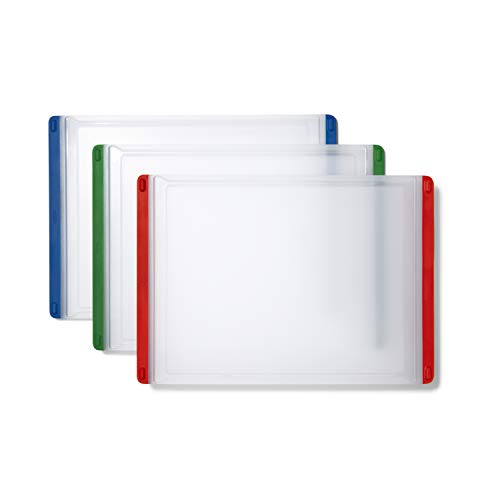
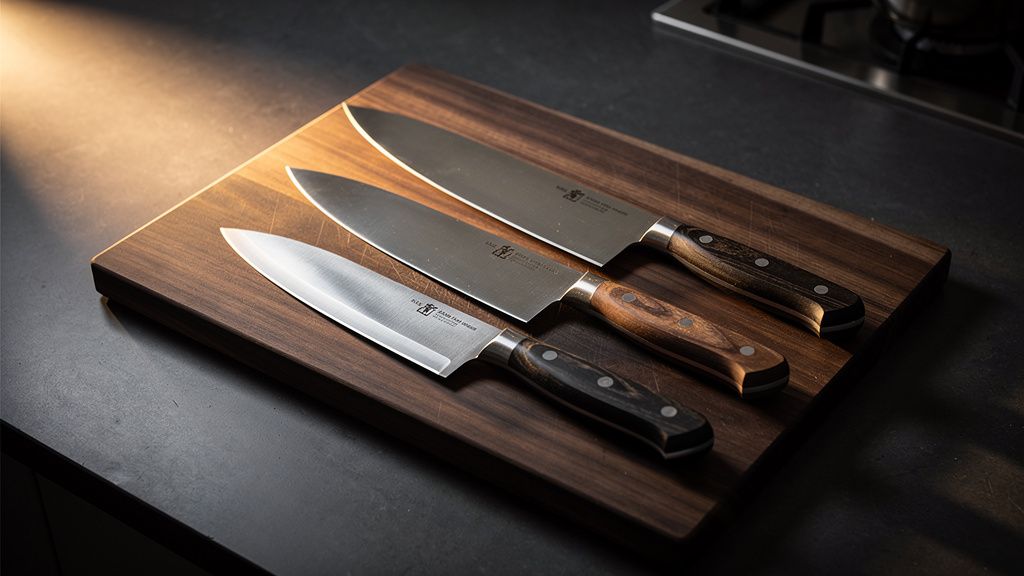
The money you don't spend on novelty tools is better spent upgrading the three things you touch every day: your knife, your cutting board, and your peeler. That single reallocation improves more meals than any drawer full of single-purpose plastic.
Building Your Kit by Budget
Starting from zero? Here's how the math works at three budget levels, using current street prices of our ranked picks.
- Under $30 — the daily-driver trio: Y-peeler (~$10), Microplane zester (~$17), and a one-piece silicone spatula (~$10). These three tools touch more meals than everything else combined.
- Under $75 — the complete prep kit: add locking stainless tongs (~$13), a fine-mesh strainer set (~$15), and a bench scraper (~$8). At this point you can prep, cook, and plate virtually any home recipe without reaching for a tool you don't own.
- Under $150 — the no-compromises drawer: add a garlic press with a flip-out cleaner (~$20), a flexible fish turner (~$20), and replace your worst old utensil with its buy-it-for-life version. Past this point, additional gadgets are about specific hobbies (baking, grilling, coffee) — see our related categories below.