Walk into any home goods store and the cookware aisle tells one story: the 10-piece set, photographed in matching glory, priced to feel like a bargain. Here’s what two decades of test-kitchen consensus says instead: most people should not buy a cookware set. This guide explains the math, names the two exceptions, and lays out the piece-by-piece kitchen that outcooks almost any set at the same total price.
The Piece-Count Illusion
A “10-piece set” sounds like ten pans. Count again: lids are pieces. A typical 10-piece set contains five vessels and five lids — and of those five vessels, most kitchens use two regularly. The 1-quart saucepan, the second skillet in an odd size, the stockpot that’s too small for stock: these exist to inflate the piece count, not to cook your dinner.
The manufacturer’s incentive is straightforward. Spreading a budget across ten pieces means each piece gets thinner metal, lighter bases, and cheaper handles than a single pan at the equivalent per-piece price. You pay for quantity; the quality went somewhere else.
There’s a second cost nobody mentions at checkout: cabinet space. The unused 60% of a cookware set doesn’t disappear — it stacks, scratches, and buries the pans you actually reach for.
What You Actually Cook With
Track a month of home cooking and the pattern is remarkably consistent across households. Nearly everything happens in:
- One large skillet — the daily workhorse for searing, sautéing, frying
- One medium saucepan (2–3 qt) — sauces, grains, reheating
- One Dutch oven or large pot (5–6 qt) — soups, braises, pasta water, bread
- One sheet pan — roasting, baking (not in any cookware set, naturally)
That’s the real kitchen. Everything else is task-specific: a nonstick pan if you cook eggs daily, a stockpot if you actually make stock, a sauté pan if you braise chicken thighs weekly.
The Build-It-Yourself Kitchen That Beats the Set
Here’s the piece-by-piece setup we’d buy instead, drawn from our tested rankings — each one the best tool in its role rather than the tenth-best tool in a box:
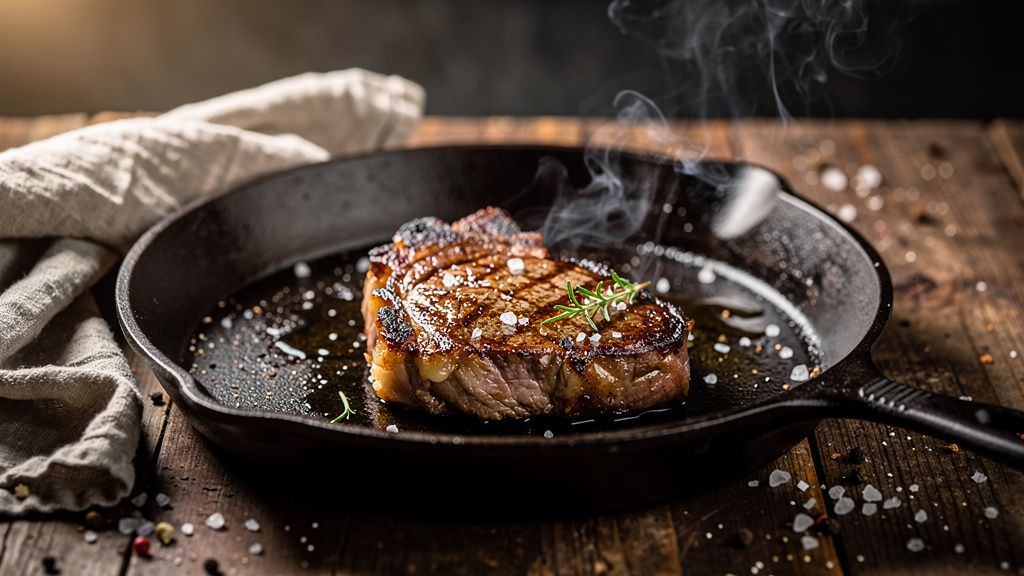
The skillet: cast iron first. A Lodge 12-inch cast iron skillet outsears any set’s stainless skillet, survives metal utensils and 500°F ovens, and costs less than the shipping on some premium sets. It’s the single best value in cookware, period. (New to cast iron? Our cast iron care guide covers the 60-second maintenance routine.)
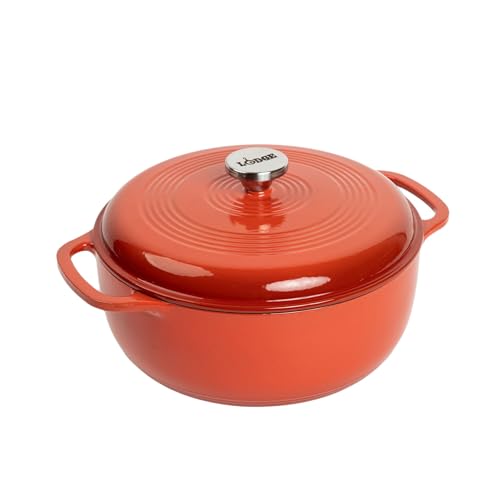
The braiser/pot: an enameled Dutch oven. The Lodge 6-quart enameled Dutch oven handles soups, stews, tomato sauces, deep frying, and no-knead bread — the jobs sets assign to three different mediocre pots. If you braise weekly and want the heirloom version, the Le Creuset 5.5-quart is the buy-it-once upgrade.
The searing specialist: for steak-night ambitions, the Staub 12-inch cast iron skillet adds a matte-enamel interior that browns beautifully with zero seasoning maintenance.
The saucepan: this is the one piece where buying mid-range stainless individually (any 2–3 qt tri-ply from a reputable brand) makes sense — it’s also the piece most worth picking up secondhand or on sale, because a saucepan’s job is simply to be a reliable vessel.
Add a Nordic Ware half sheet pan and you’ve covered more real cooking than any 12-piece set — typically for less money, with every piece being the best in its class. Browse the full cast iron rankings for alternatives at each tier.
The Two Cases Where a Set Makes Sense
Honesty cuts both ways — sets are the right call in exactly two situations:
1. Outfitting from absolute zero on a deadline. First apartment, furnished rental turnover, a kitchen that needs to function by Saturday. A decent mid-range set gets you cooking immediately, and the redundant pieces matter less than the speed. Buy the set, learn what you actually use, then upgrade those two or three pieces individually as they wear out.
2. A genuine clearance deal on a quality brand. When a premium tri-ply set is discounted so deeply that the per-piece price beats buying the three pieces you want individually, the math flips. This happens — mostly around November sales — but check the math honestly: divide the price by the pieces you’ll use, not the pieces in the box.
The Upgrade Path, in Order
If you’re improving an existing kitchen rather than starting fresh, this is the order that improves the most meals per dollar:
- Cast iron skillet — biggest cooking-quality jump per dollar in the kitchen
- Dutch oven — unlocks braising, bread, and batch cooking
- Instant-read thermometer — not cookware, but it improves every protein you cook (our thermometer rankings)
- A proper chef’s knife — see how to choose one
- Saucepan and sheet pan — the quiet workhorses
Notice what’s not on the list: anything that comes in a box of ten.
Bottom Line
Cookware sets sell a complete-kitchen feeling; individual pieces deliver complete-kitchen performance. Unless you’re starting from zero on a deadline or staring at a genuine clearance steal, build your kitchen one excellent piece at a time — starting with the best cast iron you can buy.